
People often book massage when they’re feeling:
Tight through the neck and shoulders
Achy in the lower back
Stiff from physical work
Mentally stressed and tense
Generally worn out
You don’t need to be injured to benefit. Sometimes it’s simply maintenance — like servicing your car before something goes wrong.
What is Massage ?
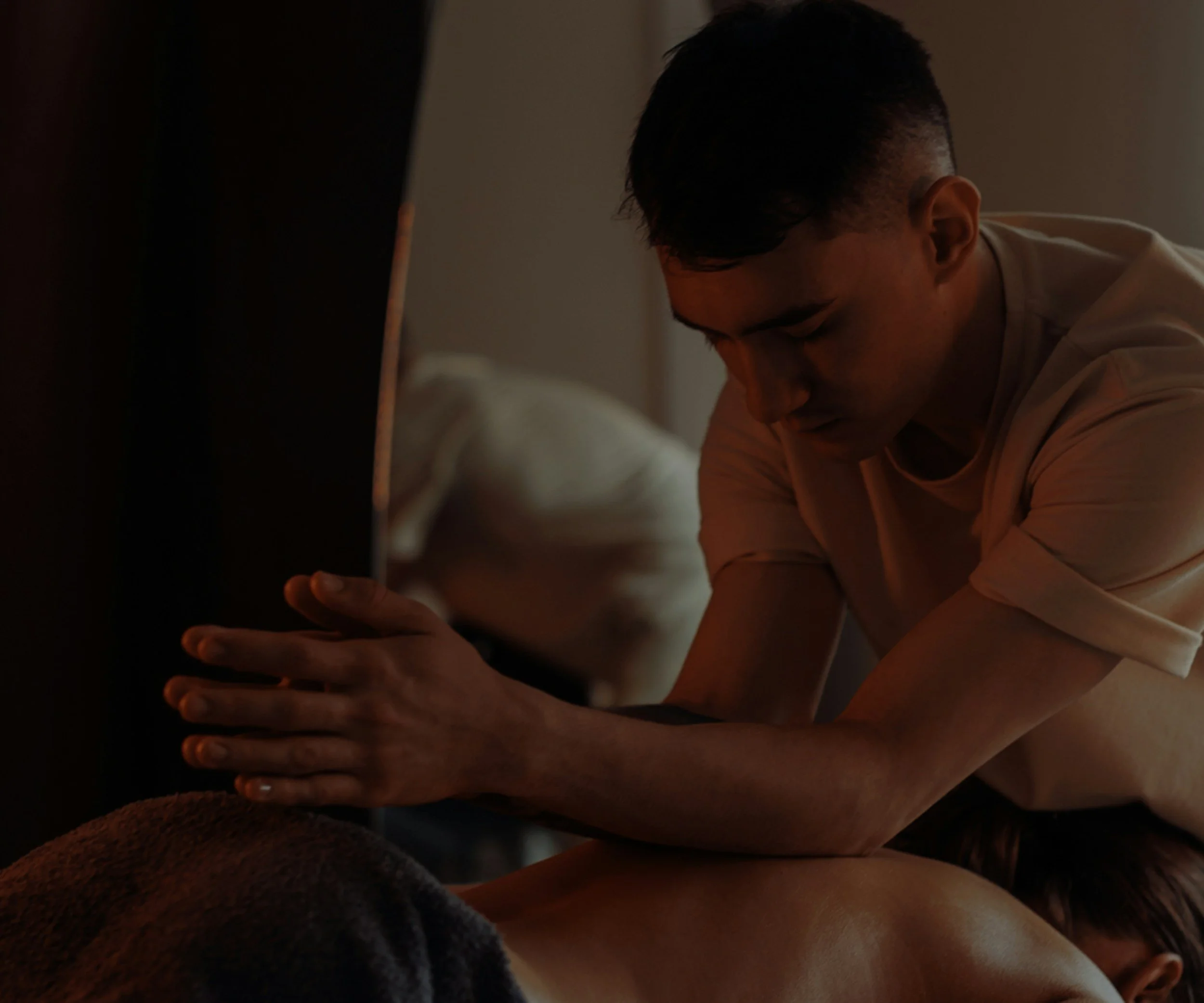
Massage is hands-on therapy that works through tight muscles and areas of tension. Over time, stress, posture, and physical work cause muscles to shorten and tighten. When that happens, movement feels restricted, aches become more common, and even your sleep can be affected.
Massage helps by physically working through those tight areas. It encourages blood flow, loosens stiff muscles, and helps your nervous system slow down. Many people don’t realise how much tension they’re holding until it’s gone.
Some sessions are firmer and focus on stubborn knots. Others are slower and more calming if you’ve been feeling stressed or run down. It’s adjusted to what your body needs at the time.
What is Hijama ?
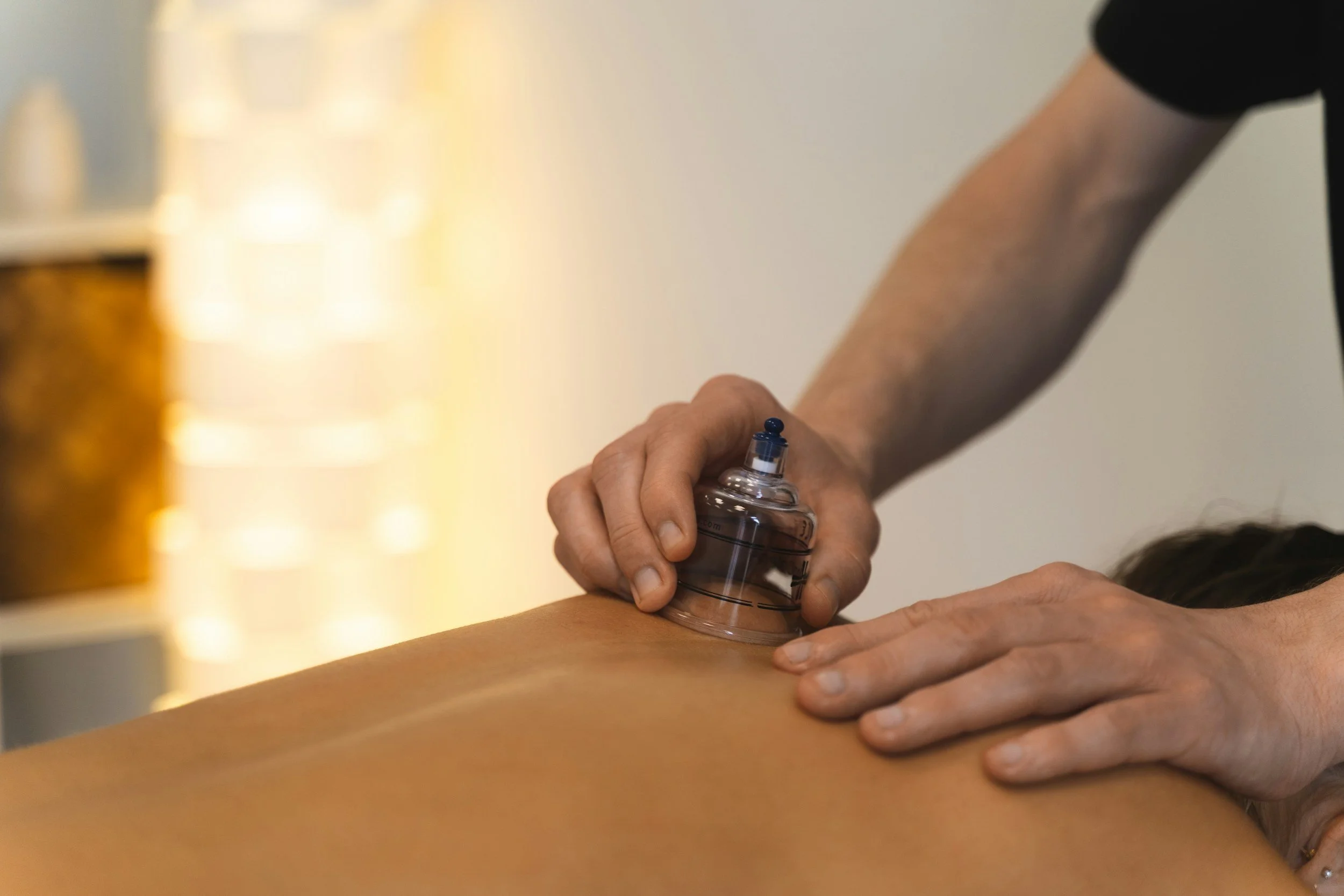
Hijama, also known as cupping therapy, is a traditional treatment that has been used for hundreds of years in many cultures. It involves placing small cups on specific areas of the body to create gentle suction.
That suction draws blood to the surface and encourages circulation in areas that may feel tight or stagnant. In wet cupping (Hijama), small superficial marks are made before reapplying suction. The aim is to help the body clear out what it no longer needs and support natural recovery.
For some people, Hijama holds cultural or religious importance. For others, it’s simply another way to support their physical wellbeing.
People often choose Hijama when they feel:
Heavy or sluggish
Tight through the back and shoulders
Prone to headaches
Run down or fatigued
Like their body needs a “reset”
It’s different from massage, but the goal is similar — helping your body move and feel better.